Swagger on the Mountain
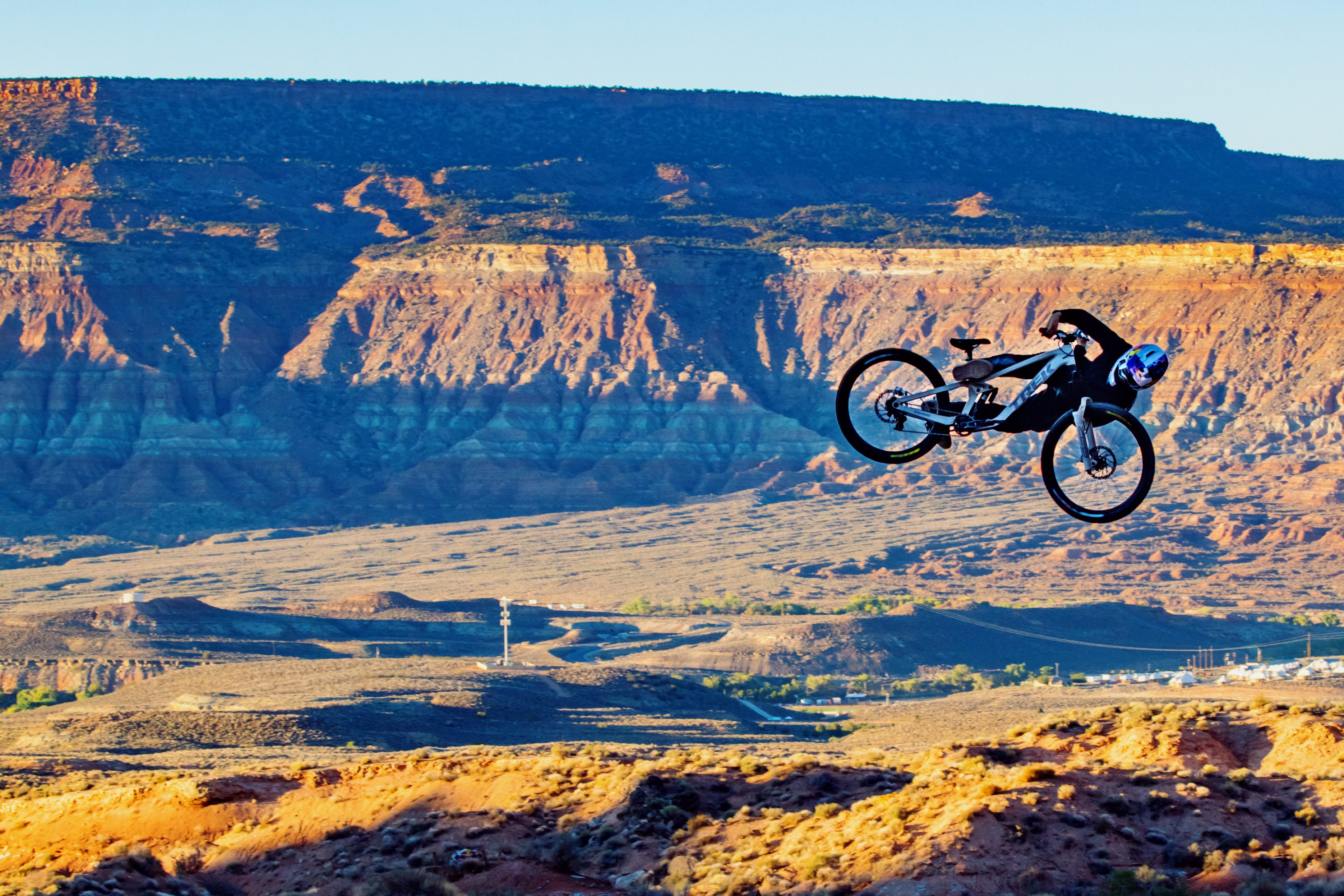
Bikers at the 2025 Red Bull Rampage gathered just outside of Zion National Park to perform some of the most shocking tricks on some of the most dangerous trails in America.
WORDS BY PETER FISHER AND SAM HOCKLEY-SMITH
PHOTOGRAPHY BY PETER FISHER
VICTORYJOURNAL.COM
Every year, intrepid mountain bikers head to the evocatively named Virgin, Utah, which is right on the edge of Zion National Park, to compete in the Red Bull Rampage, a beyond-extreme race that features riders navigating impossible terrain—sheer drops, craggy cliff sides, hidden mud pits—and pulling off the kinds of tricks that seem to defy gravity to such a degree that they look unreal. Can bikes really move like that? Can people? Here’s the 2025 Red Bull Rampage through the lens (and words) of photographer Peter Fisher, who was game to clamber, stumble, climb, and generally get right in the mix, about his experience making pictures for the event.
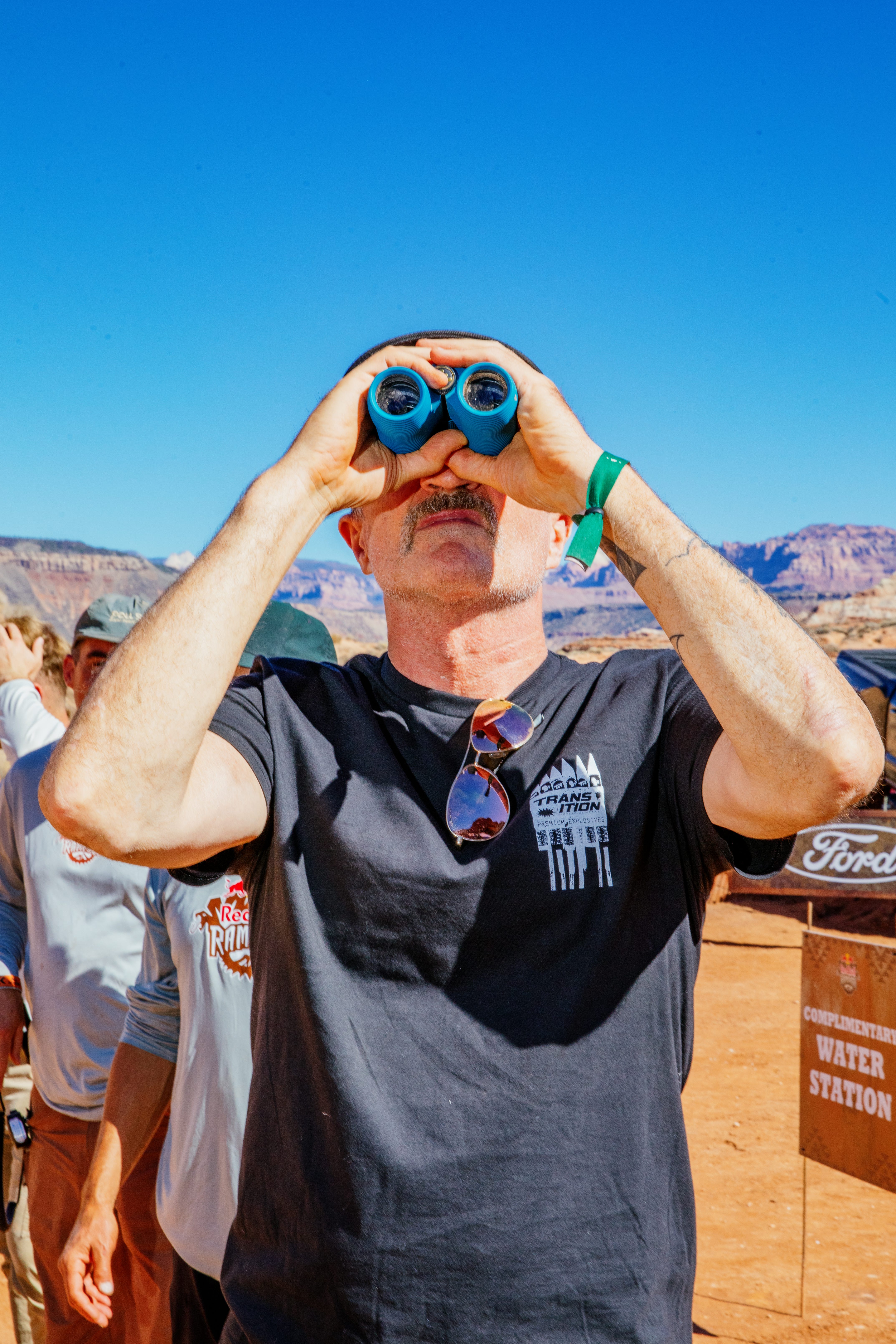
Peter Fisher: “It was so extreme. The stuff online did an okay job conveying how extreme it was, but it wasn’t until I was actually standing there watching this go down, looking at all these trails and ridges, that I was like, ‘Holy shit, someone’s going to launch off that.’ Even to get there, you have to take this shuttle up these dirt roads that are bouncing you everywhere, and then you have to hike in. It’s not close to the parking lot. It’s not close to anything.”
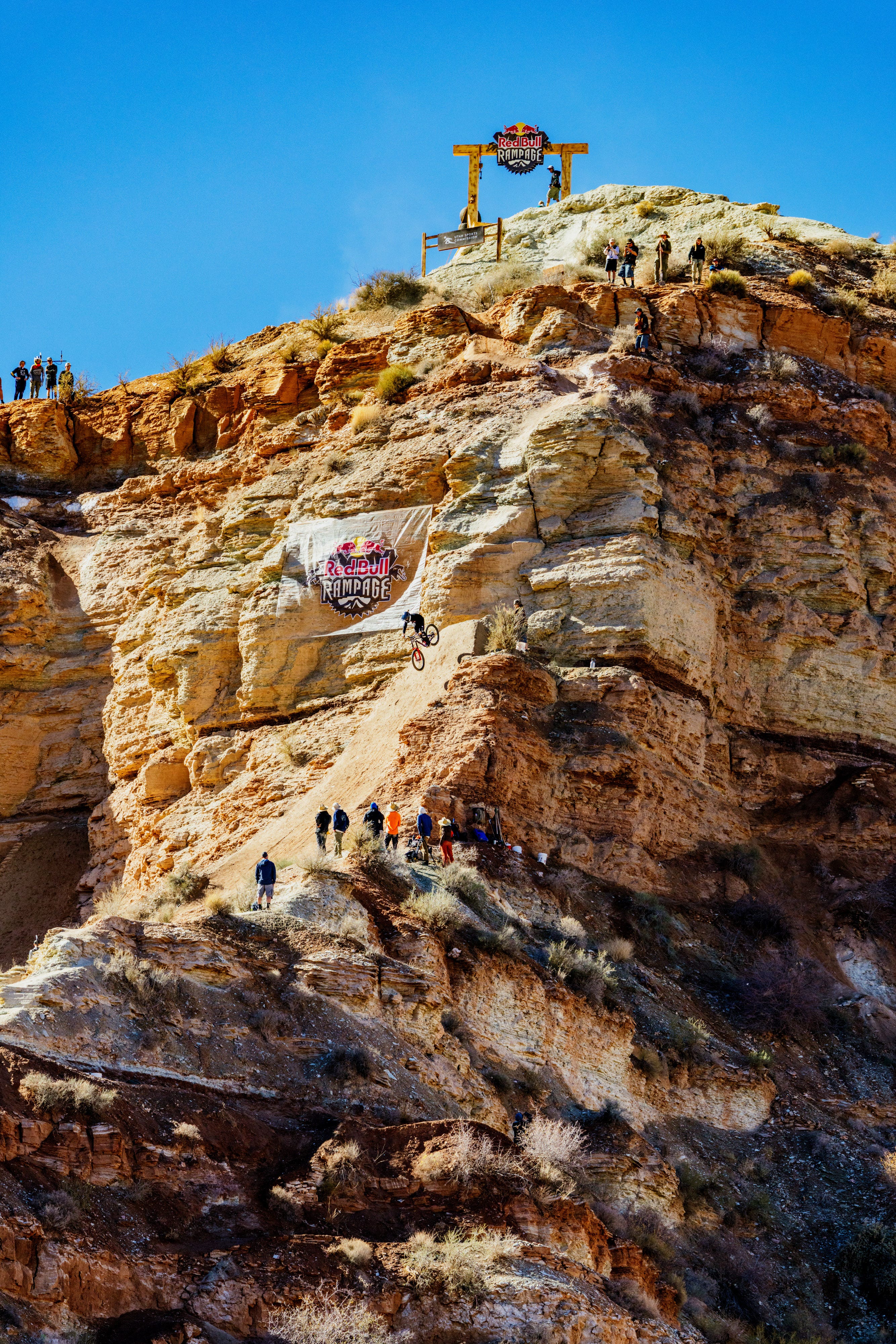
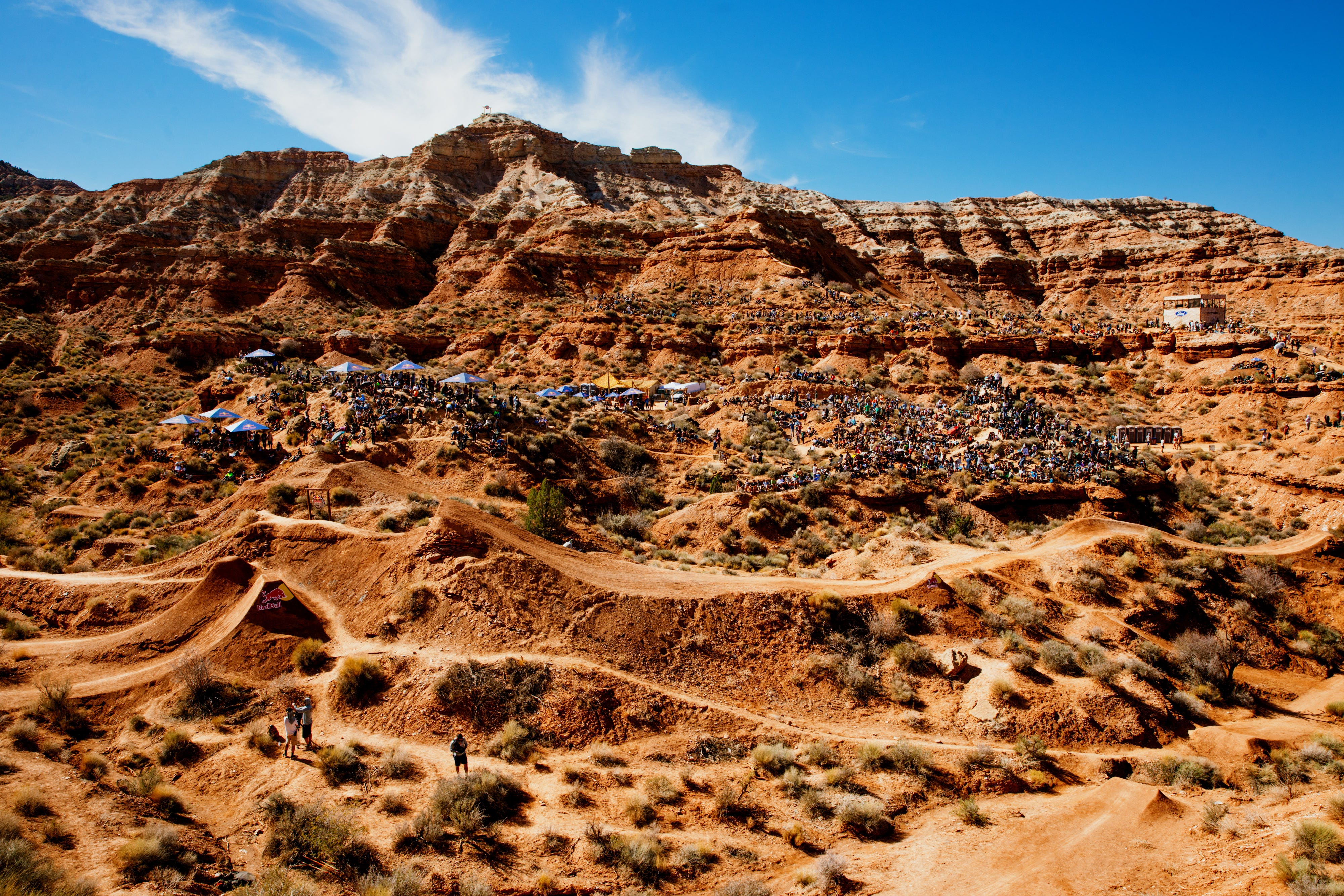
“See that wooden structure up top? That’s where the riders started. They choose a side to go off, choose which ridge line to take. It’s anyone’s game. There might be two or three different routes directly off the structure, but when they hit the next ridge it splits off again into like three other routes they could take. Some are from years prior, or are built on previous years’ routes. Most of them are brand new. They’ve been working on them for weeks. The diggers have been perfecting them right up to the minute that the riders shoot down. During the trial, the riders are figuring out what their route could be, how it’s doing, where it’s going to go. It’s pretty planned because it is so extreme and one wrong move could mean you’re horribly injured or even worse.
I got to go up to the very top of the wooden structure and it is absolutely insane. It’s just a sheer cliff face on the other side. It was risky just walking up there with my camera gear, let alone a bike. But for me, it was the speed. The speed at which they were coming own, the amount of control they had over these bikes…it was incredible.”
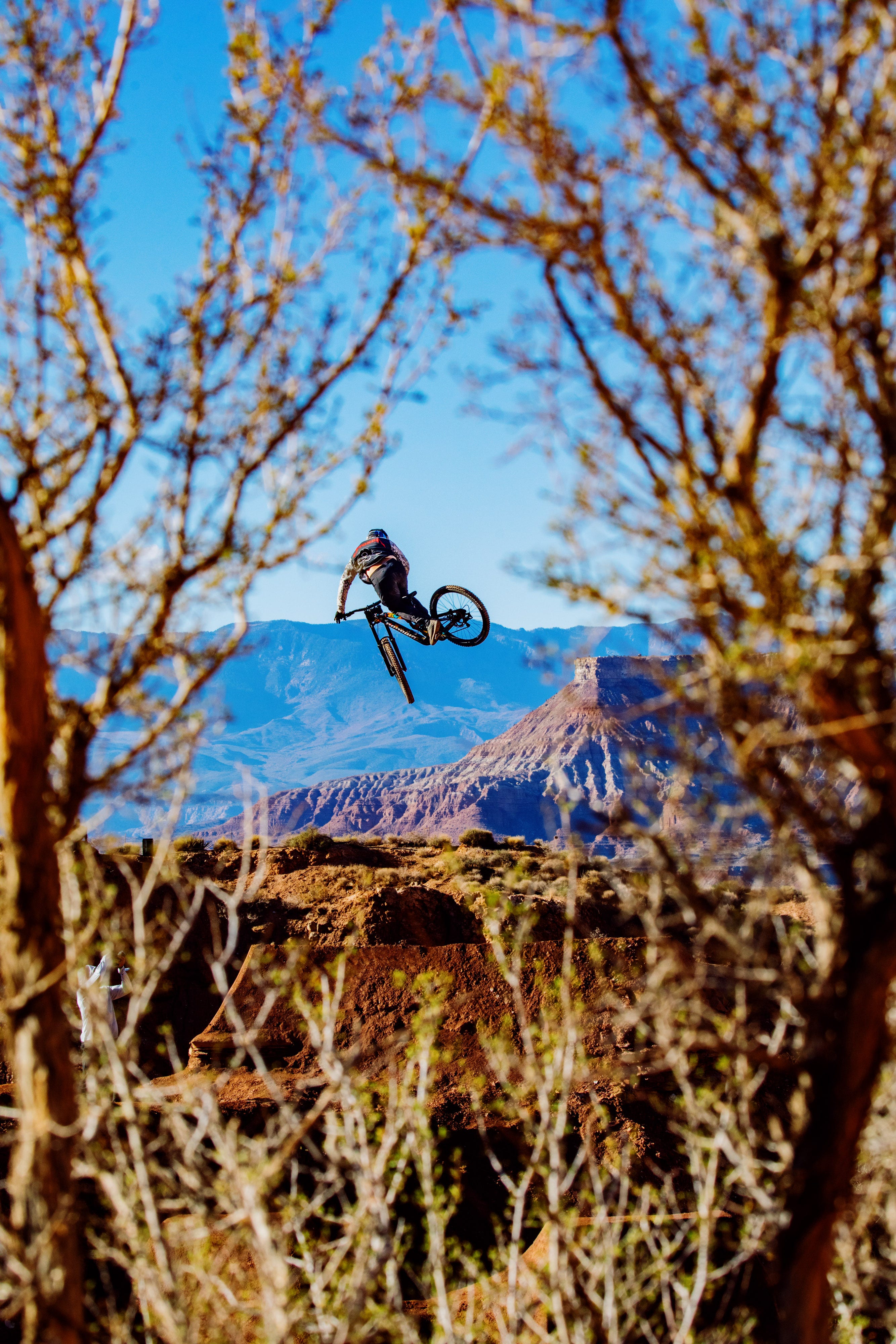
“I met another photographer and for maybe the first half of the day I followed him around, and he was showing me, like, ‘Okay, see this mark? See these two pebbles over here, how they are arranged on the side of this ramp or platform? Don’t touch those. This is a line. It’s to line up the wheel when they fly off this ramp.’ You’re just figuring out this language. I took down notes and watched where these riders’ different lines were so I could make a map and stand where their line was going. Sometimes, a rider’s line would be on a ridge and then I’d get word that the next person who was really great was going to try to backflip on this other ridge, so you’re going to have to haul ass and map the route out.”
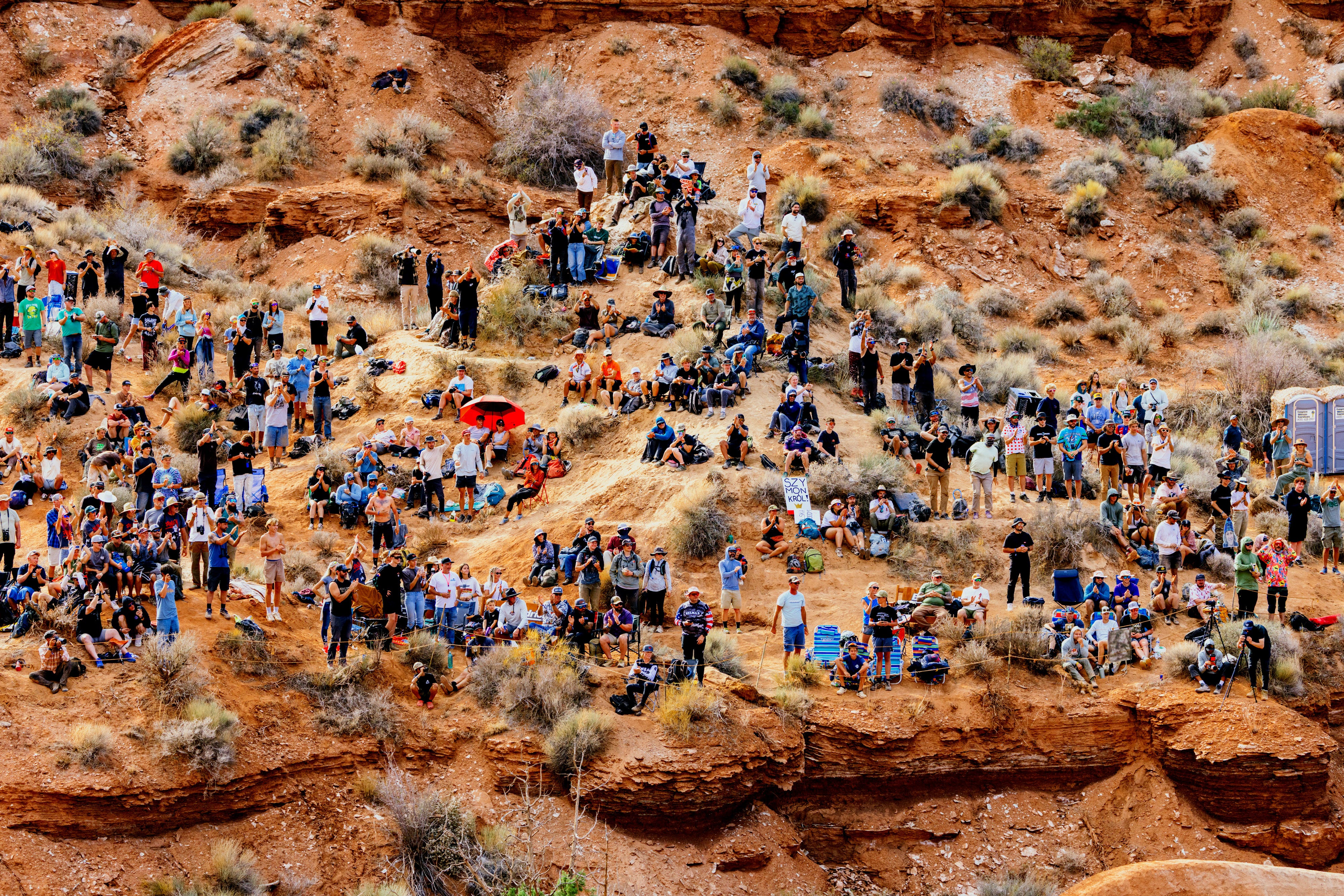
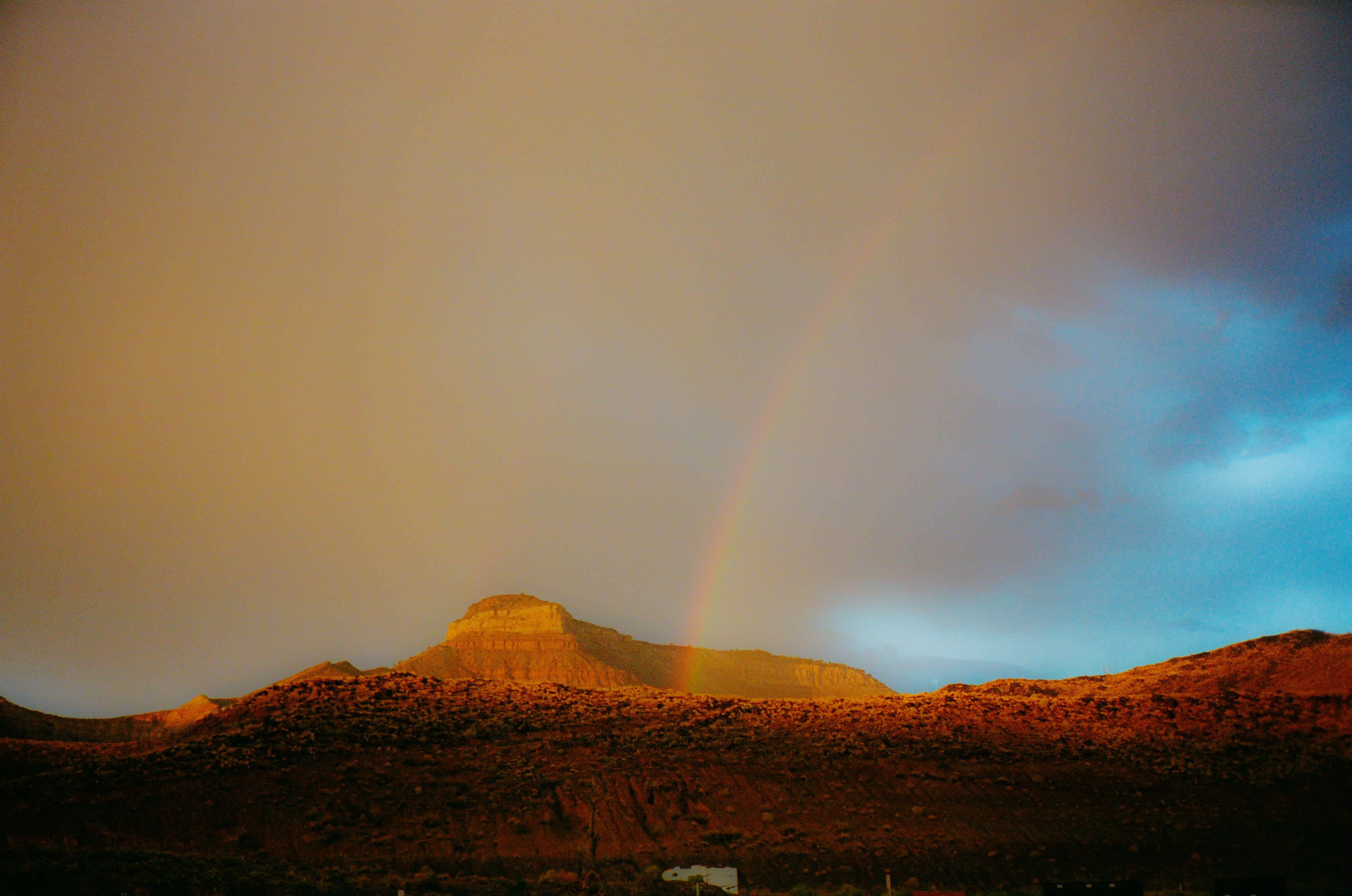
“There are some periods of time where there’s a lot going on, and then other times, I was just baking in the sun waiting for something to happen. That can be because the winds change, and if the wind is too much, they pause all the races. Sometimes they’ll pause for a few hours because the stakes are so high. You don’t want to go down when there’s gusts or it’s going to blow you off course, and when you’re in the air, you just become a huge sail.”
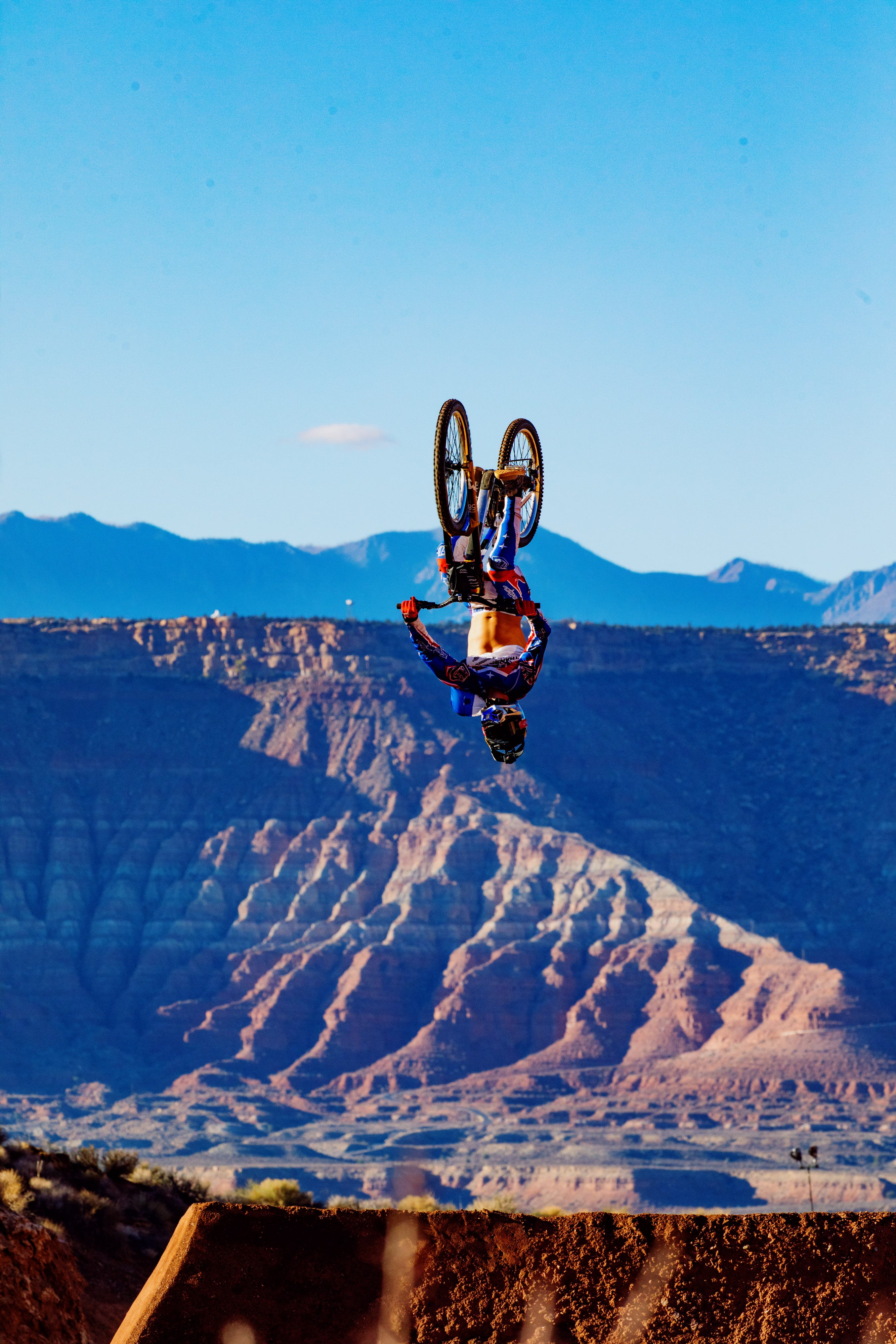
“I tried to narrow it down. Like, what riders were doing the craziest moves. Who was really laying it all out there? And then, where was that happening? If there were two really good riders, were they picking the same lines? Where did they converge? I did that so I could minimize the amount of movement I needed to make, but could still get different angles. I wound up in this gully and the riders would just fly right over me, but I really had to listen, otherwise they’d just shoot over me in half a second and I wouldn’t hear anything. It took me awhile to get my ear right.”
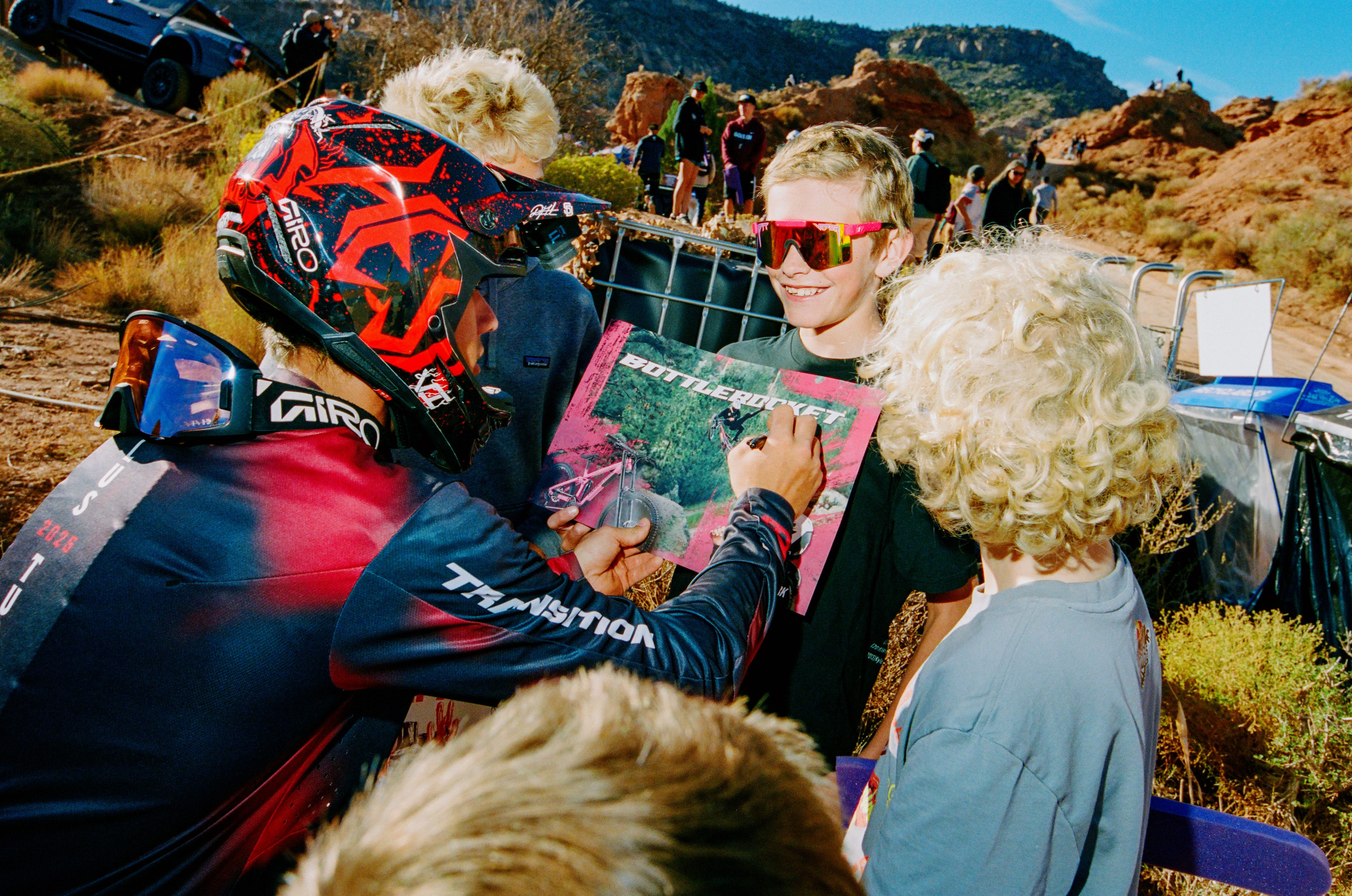
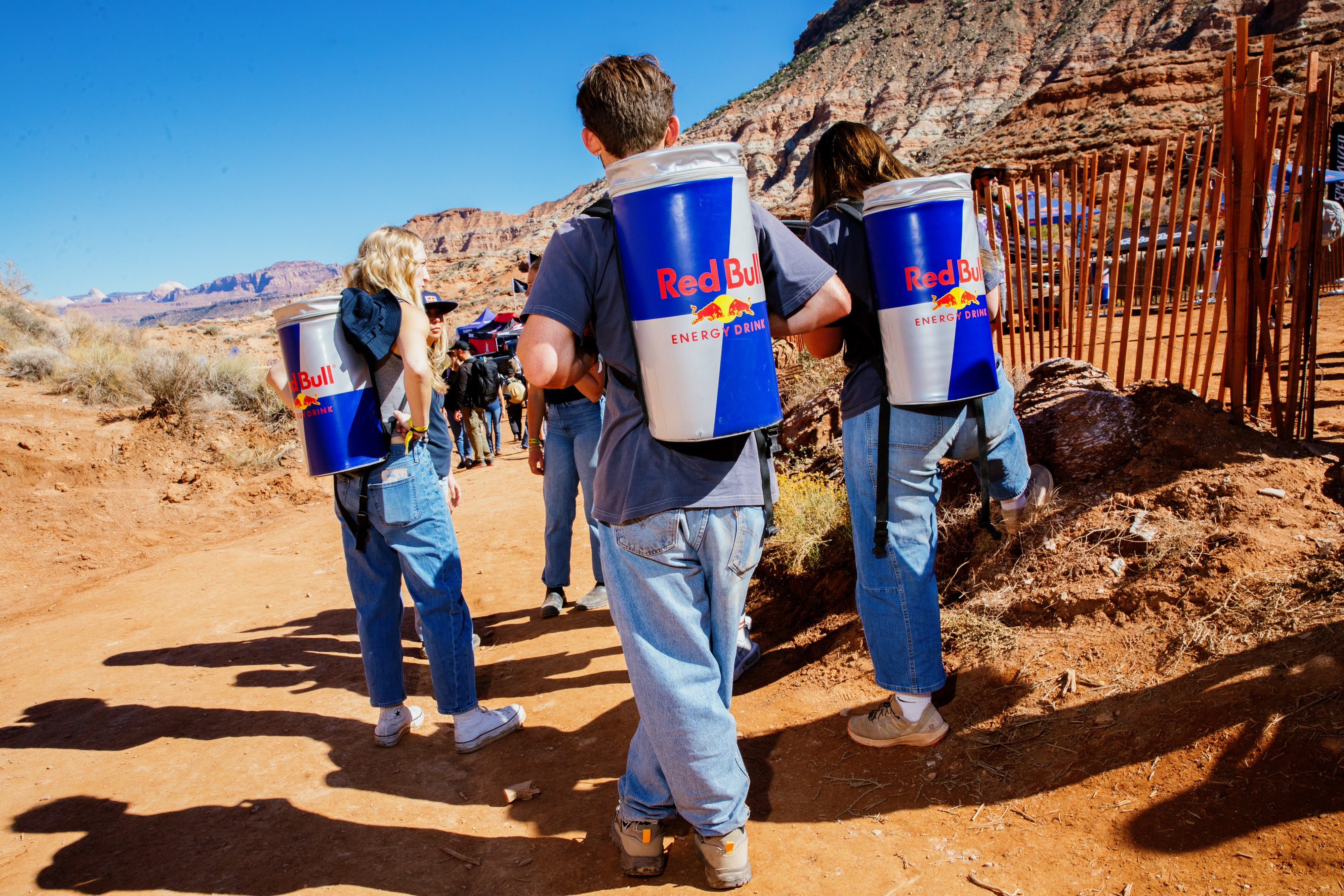
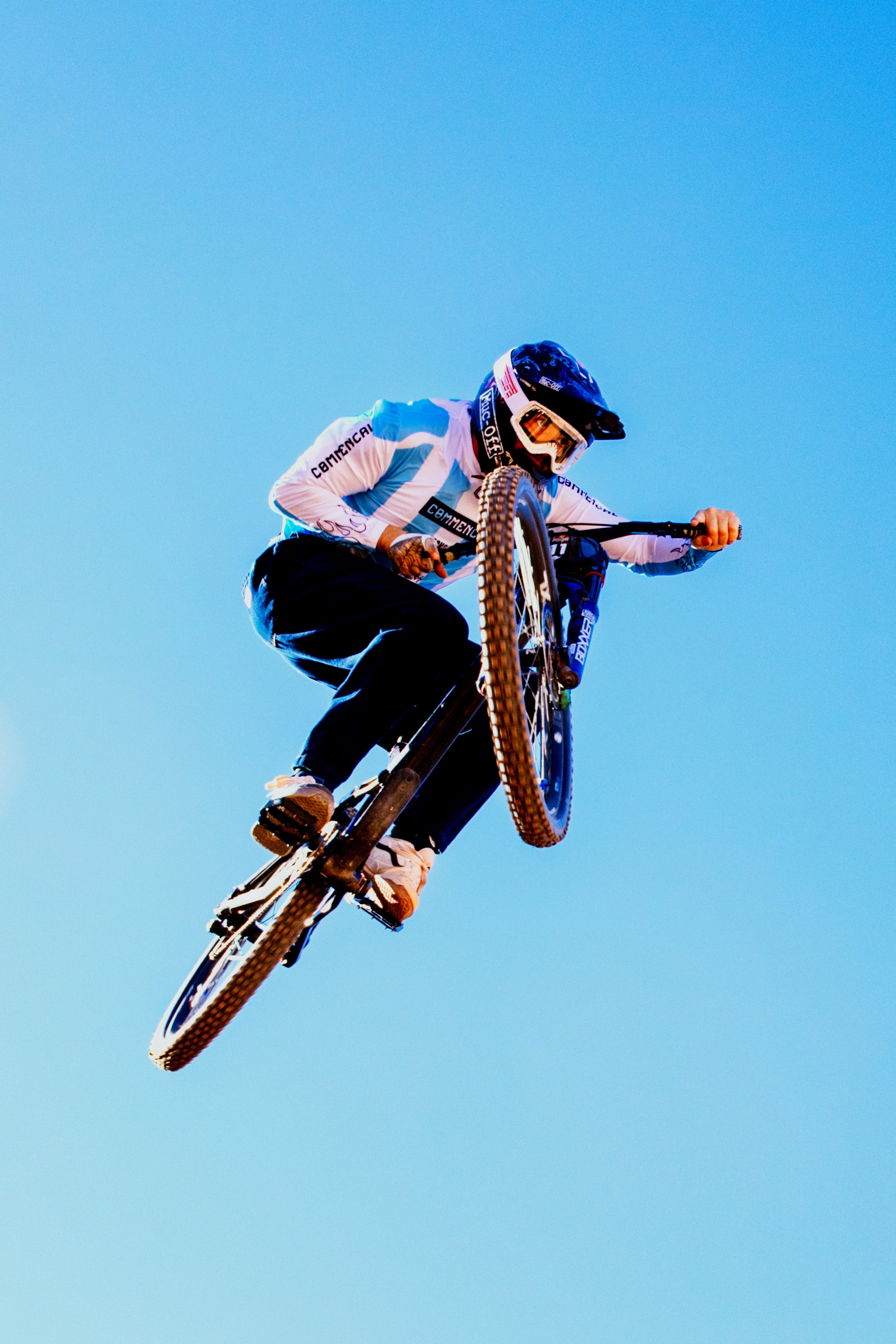
“I almost got taken out by a rider. I felt like such a fucking idiot. He finished great, but it was one of those moments where I was pushing myself to get closer, because I wasn’t getting the photos I wanted. After a few days, I’d worked up the courage. I’m like, ‘Okay, I know where everyone’s routes are. I feel like I can see the signs. I had this one guy fly through the air while I was shooting through a longer lens, and I made eye contact with him through my camera, and I was like, ‘Oh shit, he’s coming right for me.’ So I took one step to my right, and sure enough, he lands right where I just was and barrels on. It was close. Right after that, a referee came up and was like, ‘We’re gonna need you to move from this area,” and I was like, ‘Buddy you don’t have to tell me.’”
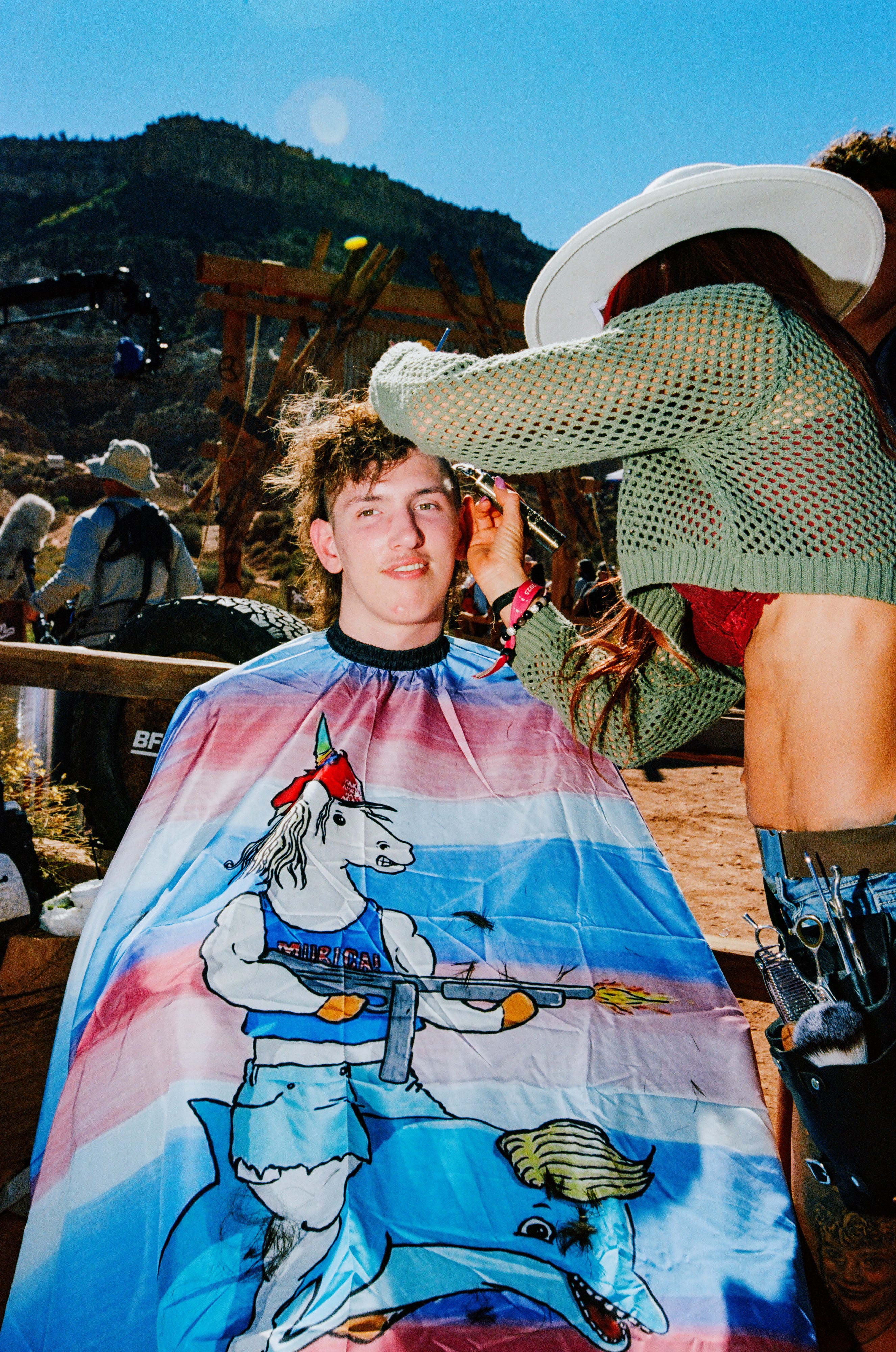
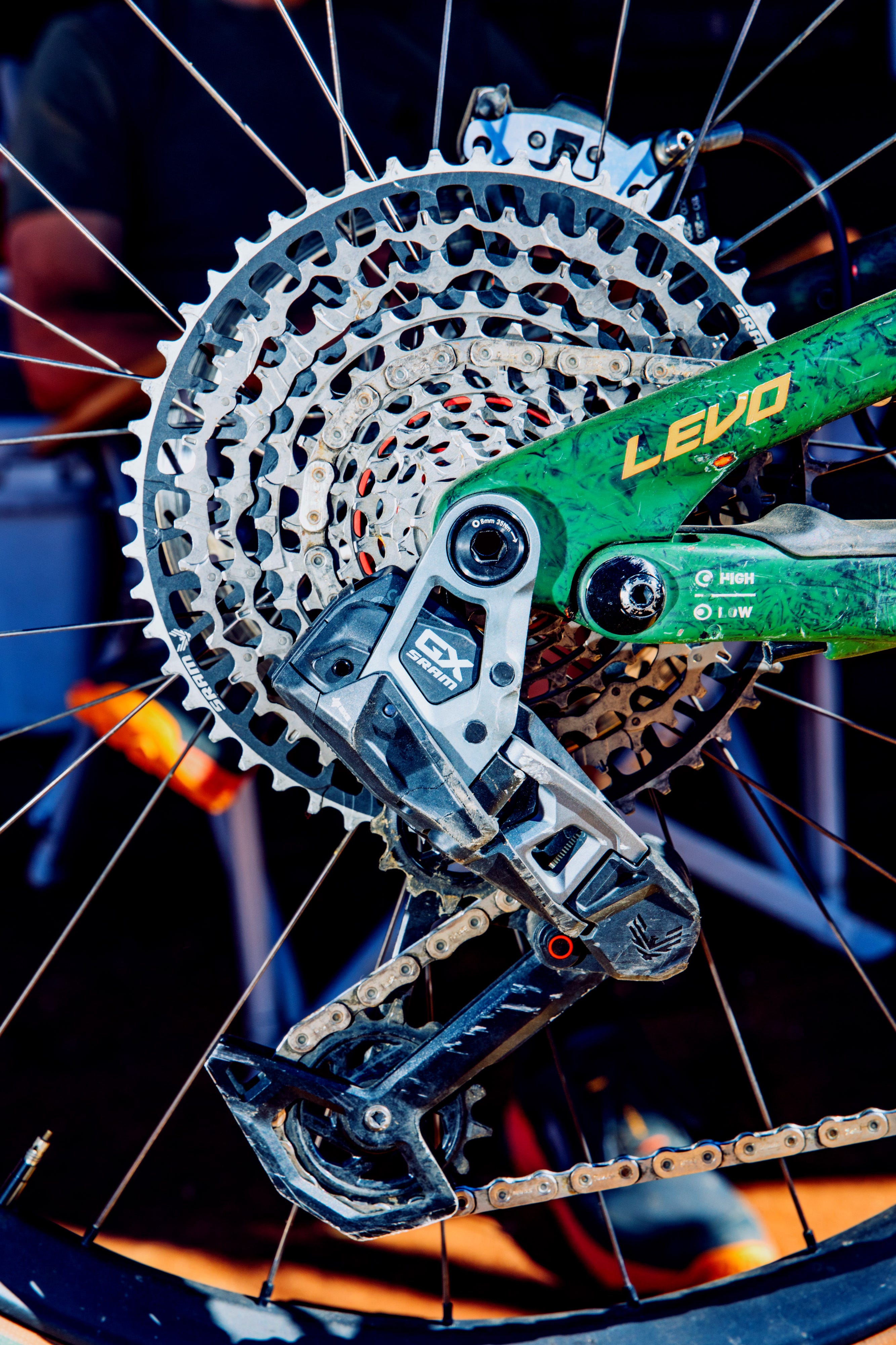
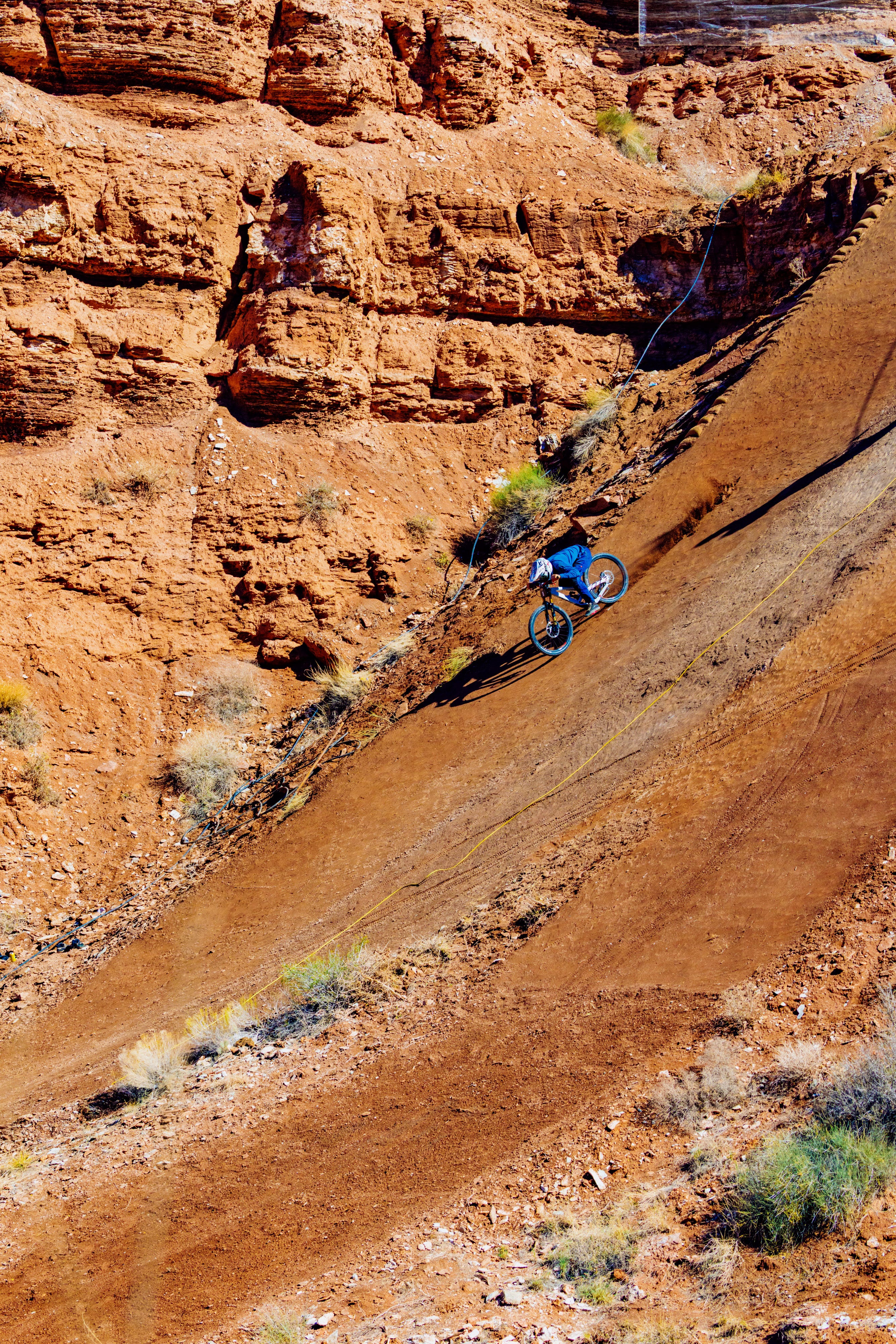
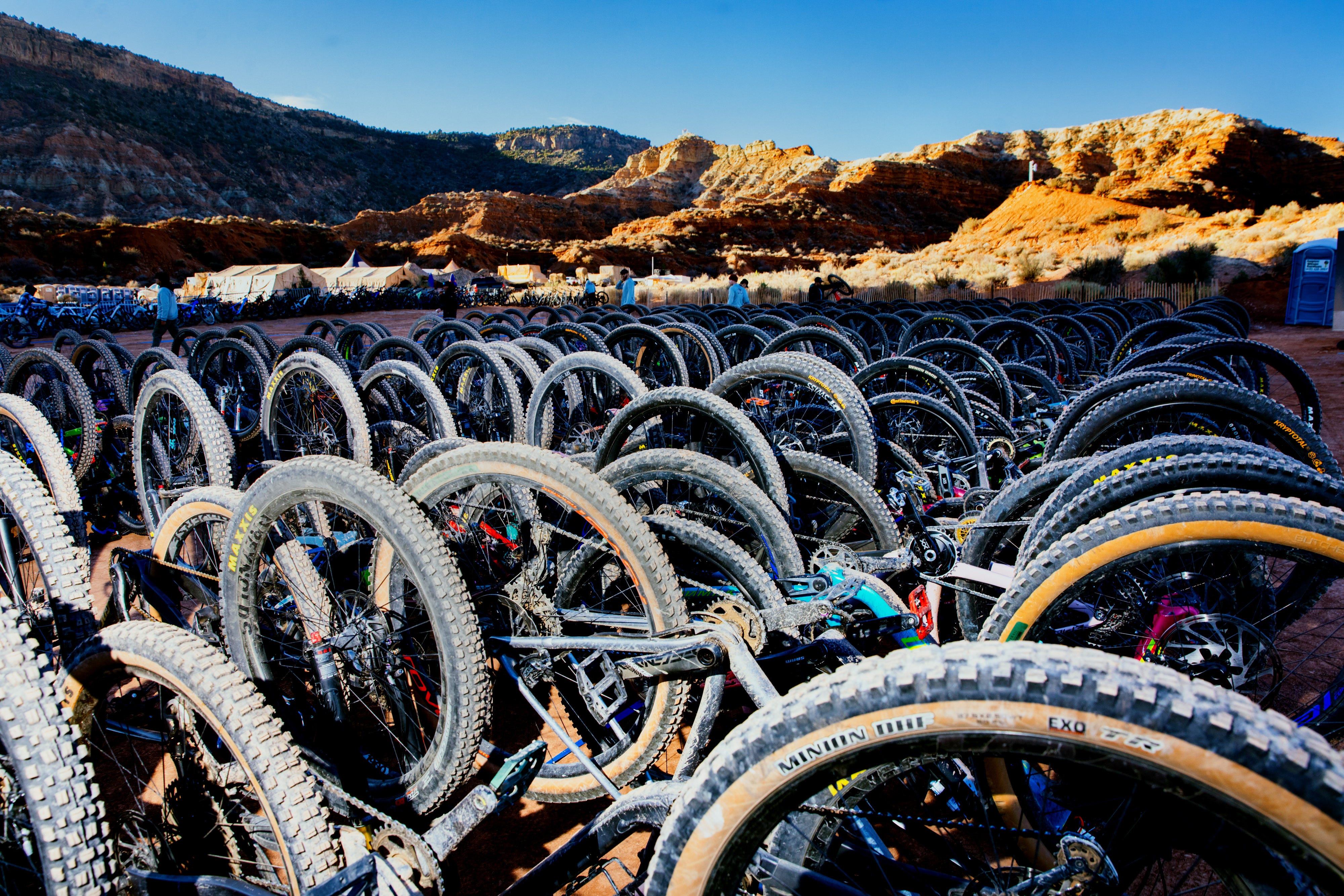
“The riders have these bike sherpas who carry their bikes up the mountain. They’re probably friends with the riders or diggers who build the routes. They just hike these things up for them, so the riders can save their energy, because it takes so much to get the bikes up there that if the riders were to do it themselves they wouldn’t have the energy to be able to do these lines.”
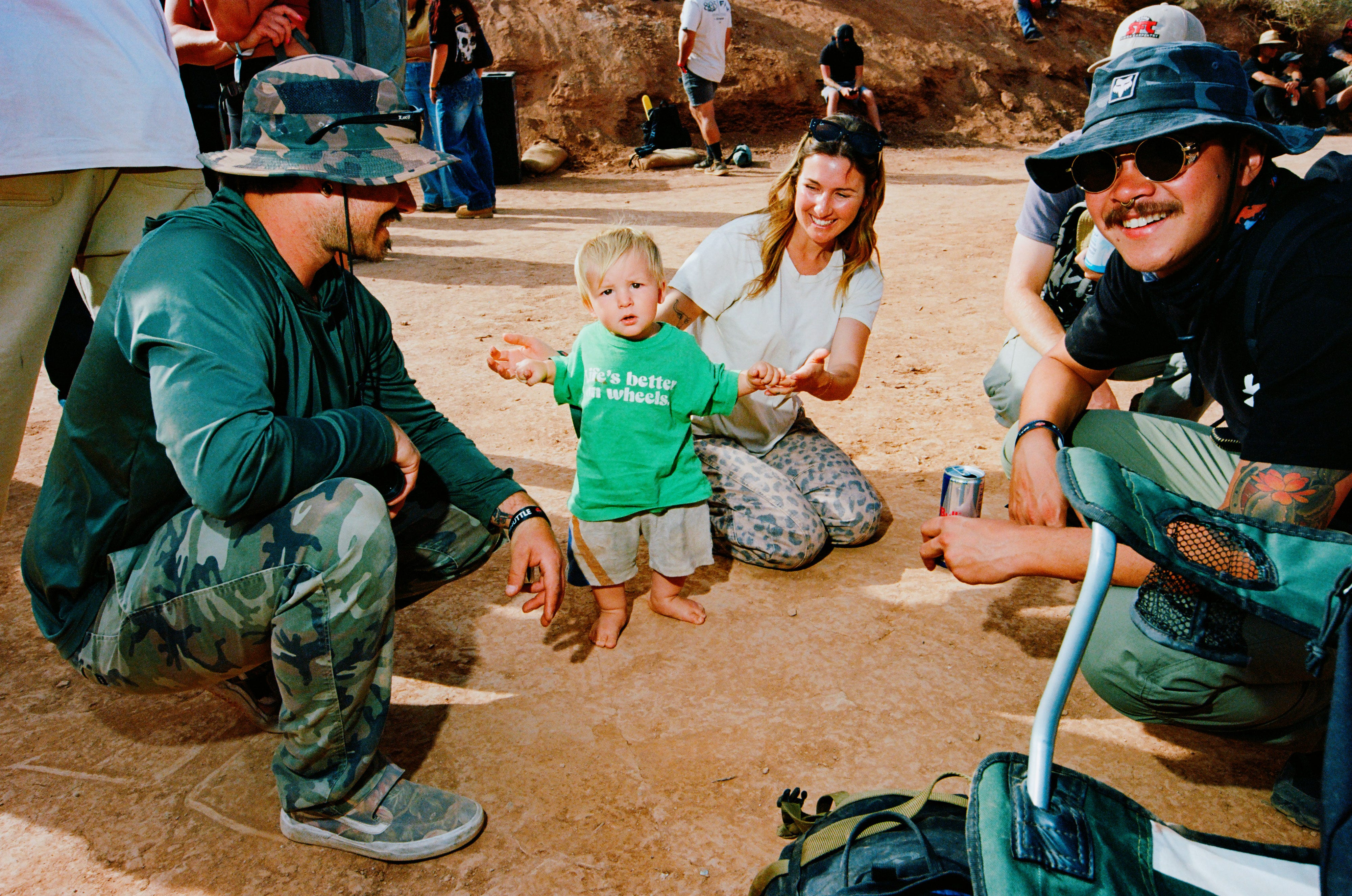
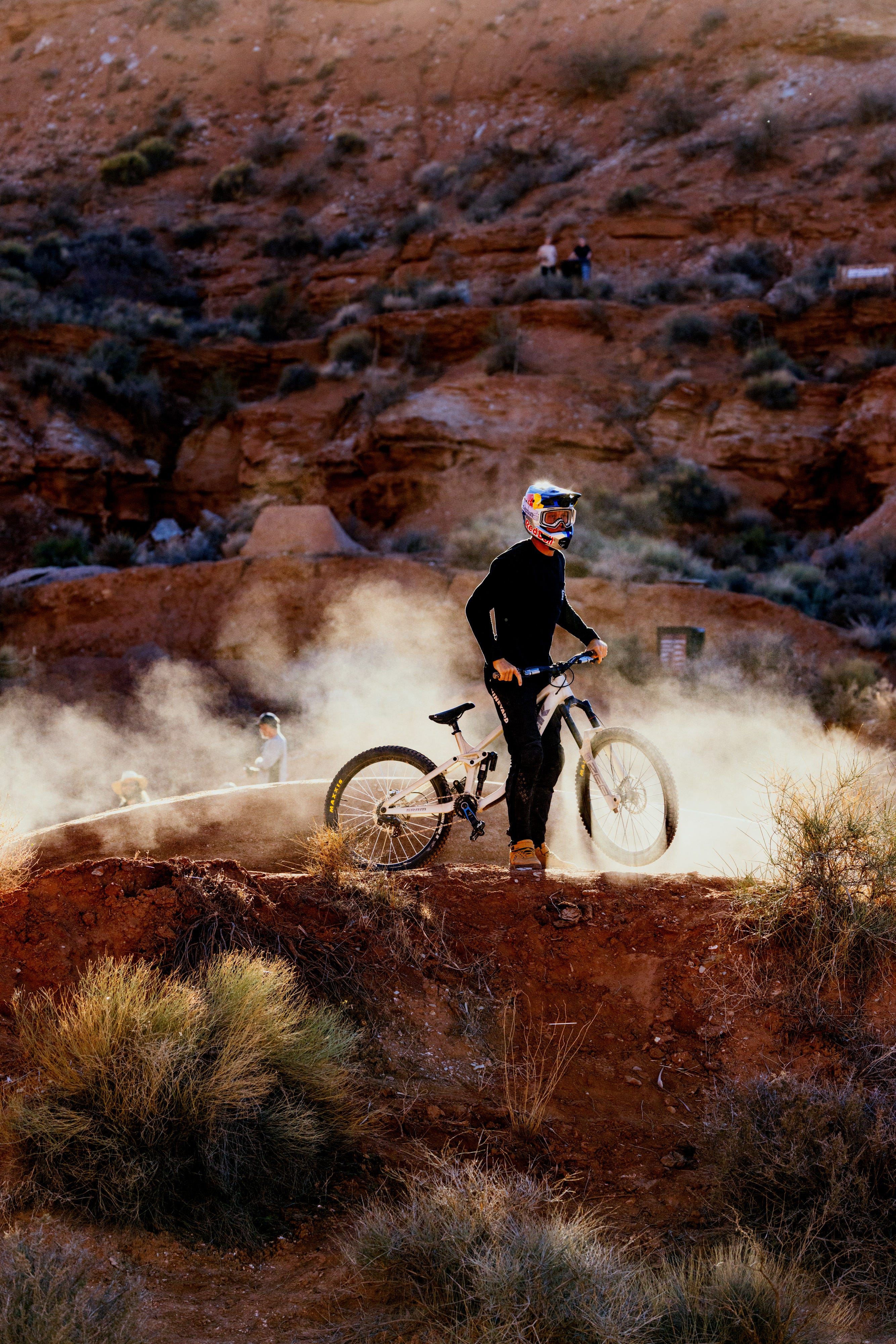
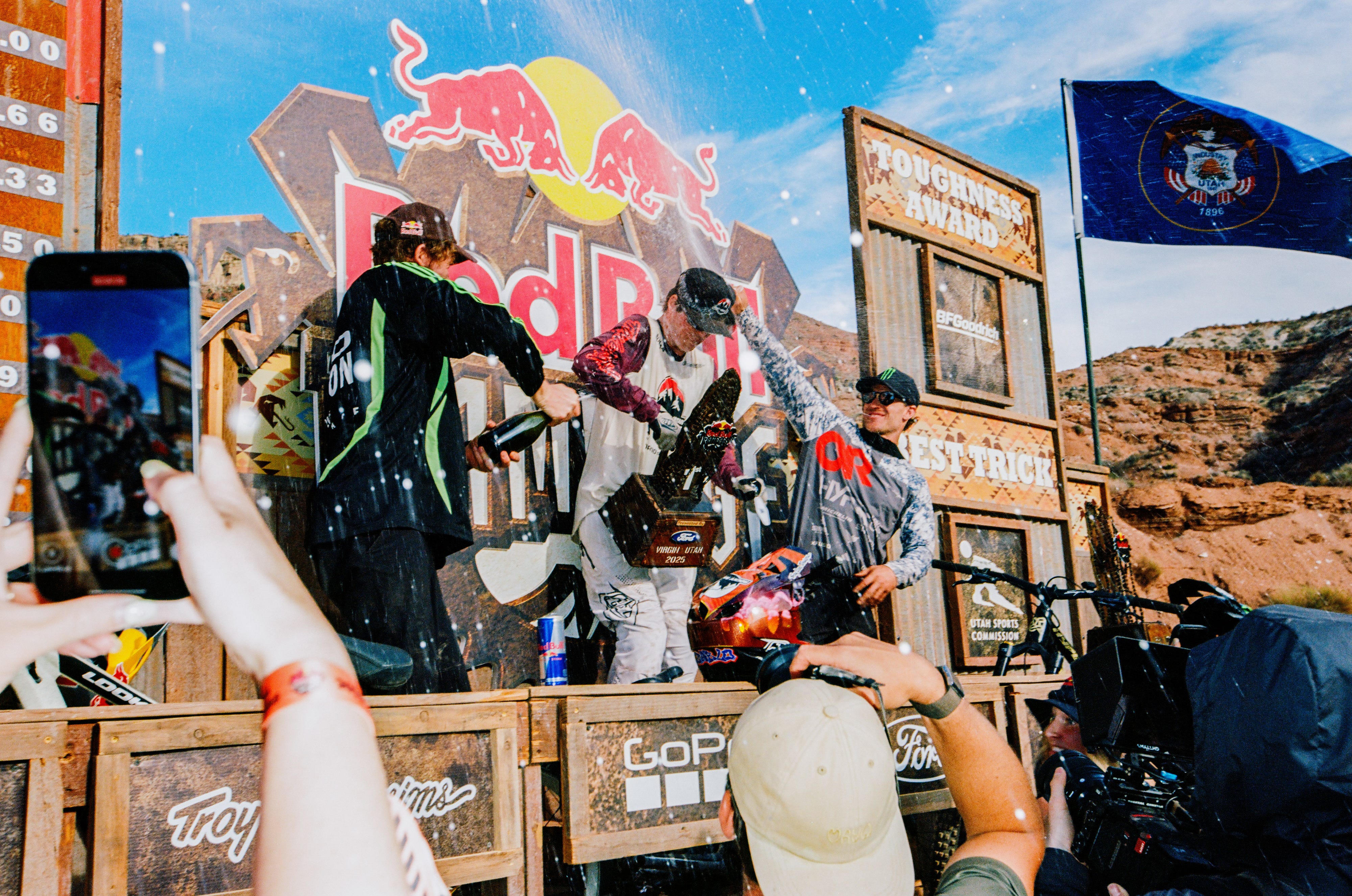
“I enjoyed watching the riders practice. It felt like the pressure was off and they were trying things out, workshopping. Everyone would get together, the riders, the diggers, and figure out what was working and what was not. It was cool to watch the gears turning in their heads. You don’t realize how much and collaboration goes into one of these routes. The diggers are there digging out the trails and pathways, and they’re getting immediate feedback from the riders, who’re saying things like, ‘I need this higher,’ or ‘This is actually starting to crumble. I need you to put some water on it.’ They’re rebuilding things. They’re making things larger. They’re widening things, shoring things up. Diggers were out there for hours flattening out lines, baking in the sun, packing them down, so that eventually it can be rideable. And then they go up and do it all over again. The rider’s life is kind of in the digger’s hands, I think. There’s a lot of pressure to make a safe route for the riders. It’s probably more stressful than the actual ride. If a rider wiped out, the diggers took it hard. They were usually the first on the scene. There was even an award given out to the diggers based on how inventive the line was, how beautiful or well-constructed it was, or how original it was. The diggers are the unsung heroes of the entire event, so it was cool to see them be put on a pedestal. They’re usually riders themselves, and some of the riders are former diggers.”
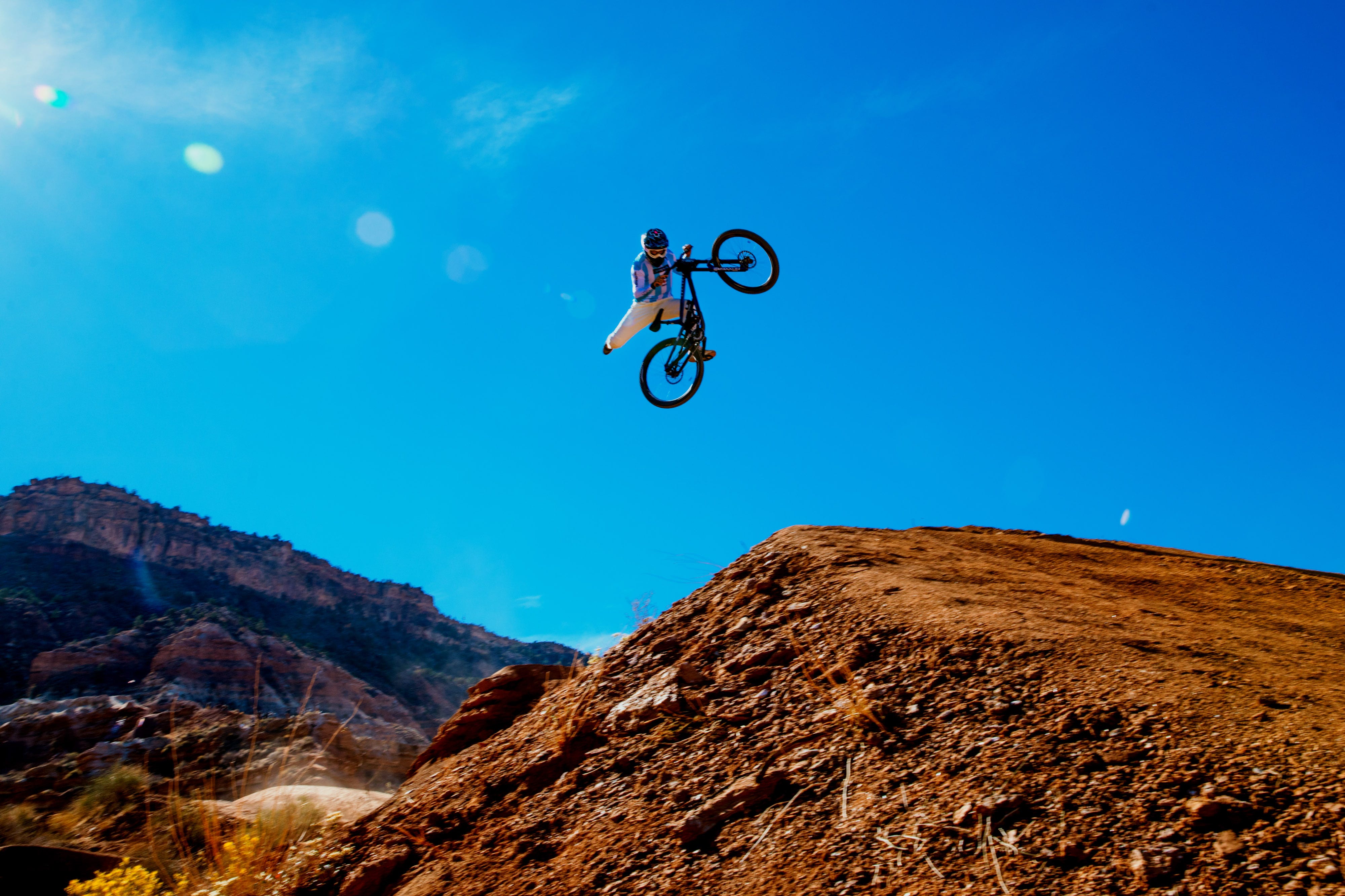
“At one point during the practice period, I noticed this guy just leaving it all on the table. It was evening, right after the sun went down, and a lot of people had left. Riders are practicing until the very last moment, the very last bit of light. This guy was just pushing himself, and he was performing some tricks that still, physics-wise, don’t make sense to me. Sometimes I wanted to put the camera down and just watch this happen. It was like my brain couldn’t even comprehend what they were doing.”
Subscribe now and receive a couple Victory stories a month, straight to your inbox. We’d love your paid subscription support if you’re able. It helps us keep doing what we’re doing. In the meantime, look out for more great digital content, and we’ve still got copies of back issues, as well as subscriptions available. There’s never been a better time to enter into the world of Victory Journal. There’s a lot to discover.