

Aftermath
WORDS BY CHRIS ISENBERG
PHOTOGRAPHY BY JON PACK & GARY HUSTWIT
VICTORYJOURNAL.COM
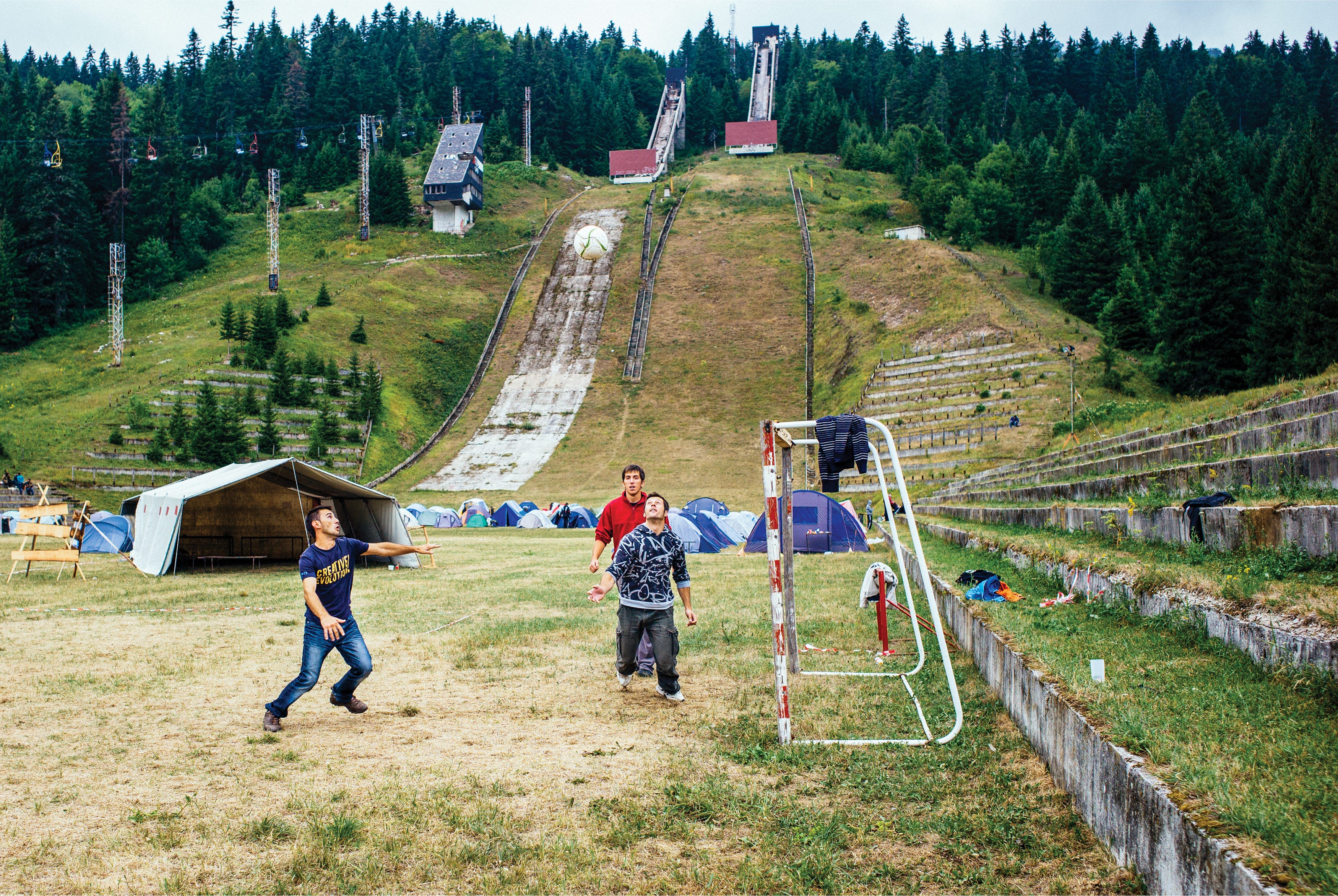
What is the legacy of an Olympics? From Jesse Owens to Usain Bolt, every edition of the Games has its indelible stars, but for photographers Jon Pack and Gary Hustwit the most enduring performance is delivered by the host cities themselves. Those efforts are not measured in fractions of inches or seconds but revealed over years and decades. In their ongoing project, “The Olympic City,” Pack and Hustwit explore what happens after the Games have gone.
The body of work engages with intensely political questions: Did a city use its resources wisely? Did construction leave a legacy for locals? Was it all worth it? But the individual images offer more testament than judgment. In a brilliant combination of investigative journalism and landscape photography, Pack and Hustwit document the ephemeral relationships between people, places, and evidence both structural and conceptual.
Intrigued by reports of wild building and spending in Beijing, Pack began the project after the 2008 Summer Games. His inquiry started closer to home in Brooklyn: he drove to Lake Placid, which offered dusty souvenir shops still selling off 1980 inventory, and an Olympic-themed motel. In Montreal, he found an Olympic Village that’s become a desirable residential neighborhood, while a stadium designed to feature the first-ever retractable roof has proved so dangerously ill-equipped for snow and ice it’s now permanently domed (and can only be used in the summer).
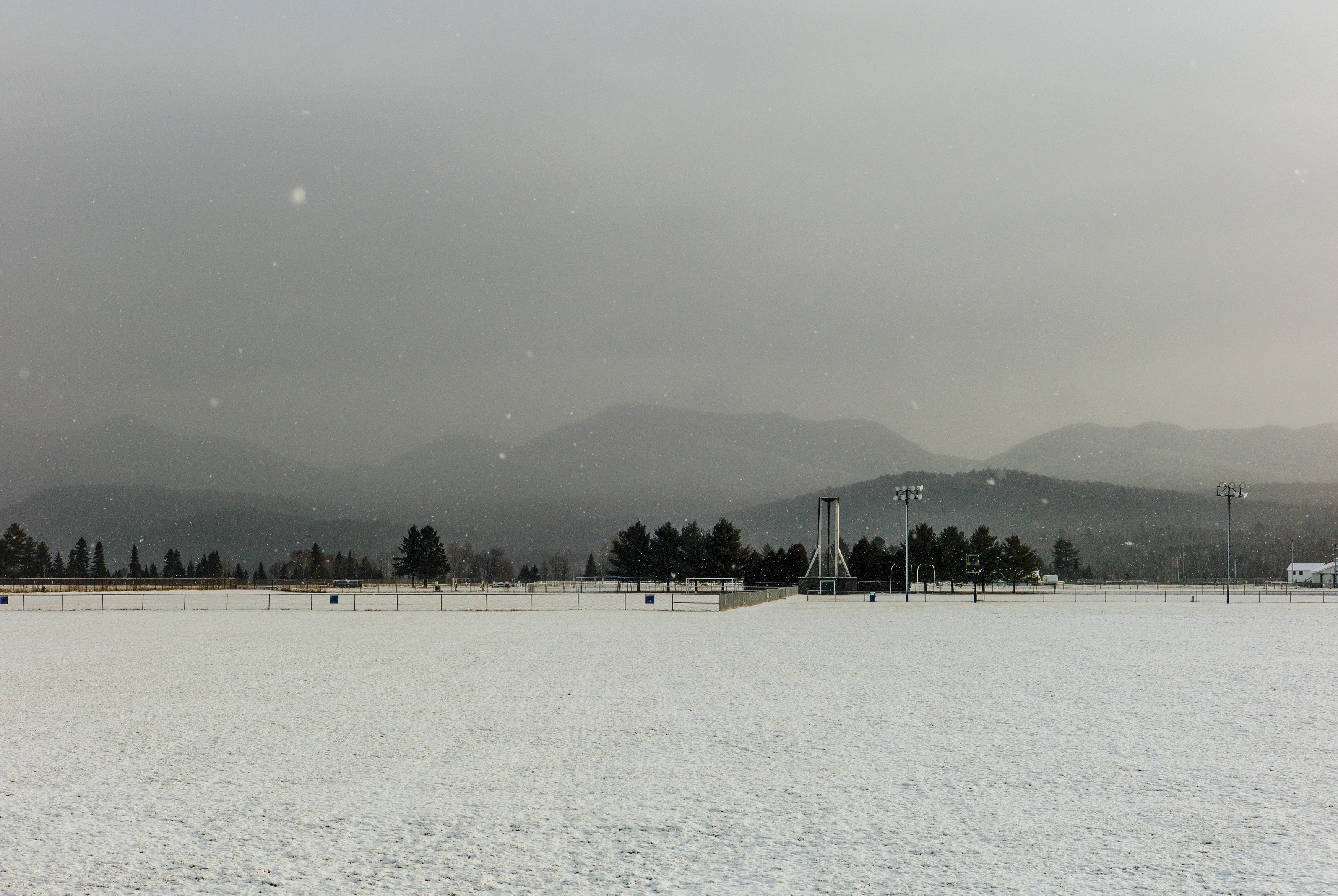
Not quite sure what to do with the photographs from these missions, Pack showed them to his friend Hustwit, a filmmaker who was then premiering a documentary called Urbanized, a consideration of the modern city and its design. Hustwit was not only encouraging, he was determined to participate, despite his relative inexperience as a photographer. The two began divvying up Olympic cities: Mexico City, Seoul, Berlin, and Moscow for Hustwit; Sarajevo, Barcelona, and Athens for Pack. (With the exception of their trip to Turin, Italy, last year, they travel and work separately.) “There have never been strict guidelines or a brief as to how a city should be photographed,” says Hustwit. “It is very personal—just our interpretations of what these cities are now.”
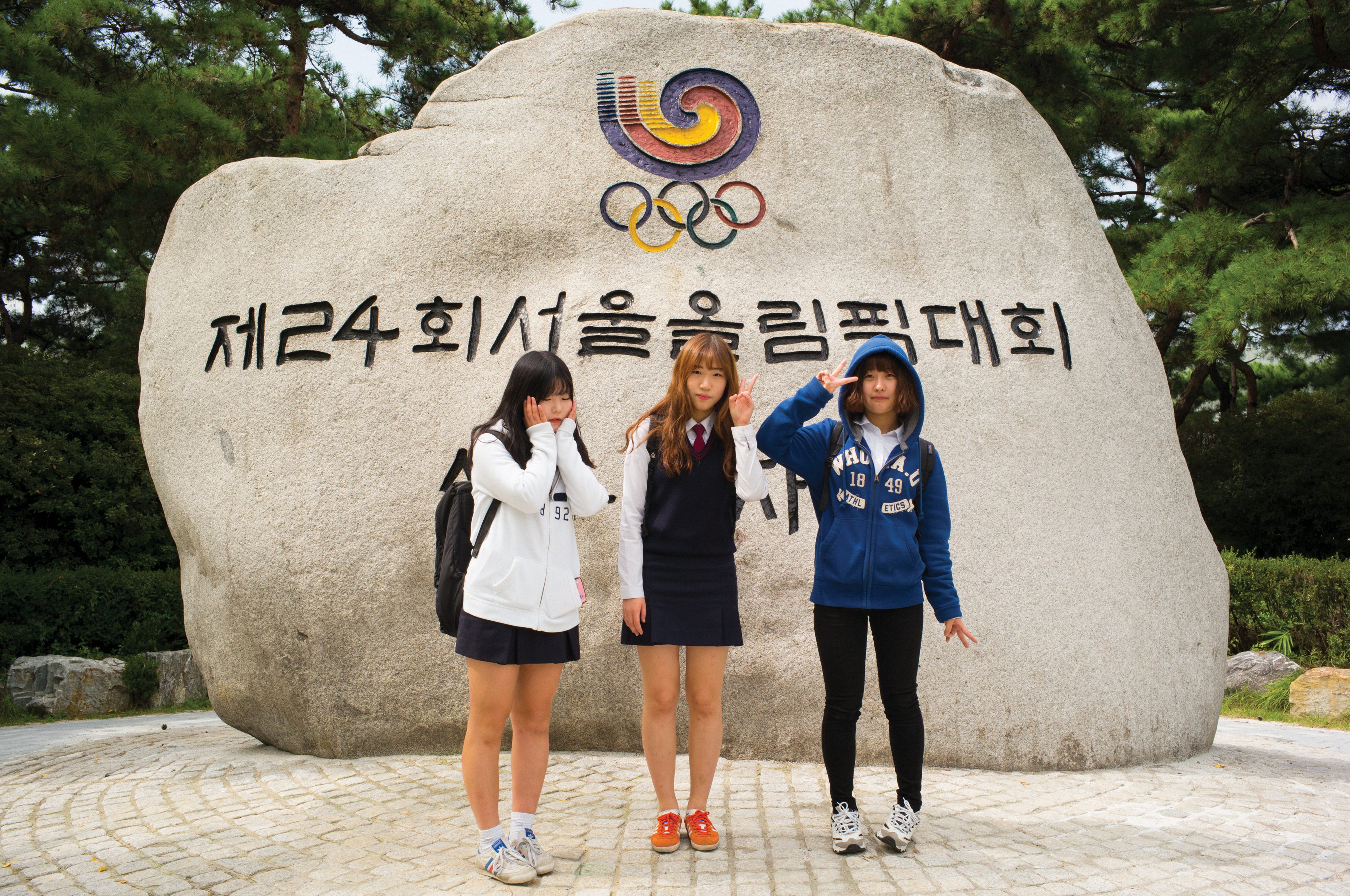
They published photos from the first 13 cities they shot in a 2013 art book, but “The Olympic City” is a project without an end. Beyond the many cities they have yet to visit, from Melbourne to Rio, and the upcoming Games in PyeongChang and Tokyo, even the sites they’ve already photographed continue to evolve. Their work is a fragmentary but forceful human history of the Olympic aftermath. “I didn’t want ‘ruin porn,’” Pack says. “We’re reacting to more of what’s happening in the space than the space itself.”
